


News & Journal
Welcome to my blog for the latest news and journals of my adventures. In the sidebar, find posts listed by Categories or Tags, or use keywords in the search bar. Browse posts about classes and workshops, read snippets of personal accounts of gigs, find out about my progress on projects... capture a glimpse into my life as a polymath.
Best wishes,
Annette
In the Press
Tagged with: articles, interviews, news, Press, profiles, reviews
Posted in All News & Announcements, Events, Past, Tap dance, Theatre, Film & TV
Posted in All News & Announcements, Events, Past, Tap dance, Theatre, Film & TV
Dancing Jazz History: Black History Month 2024

A Black History Month (UK) event celebrating Black women jazz dancers incorporating practice and theory with dance and music workshops, a panel discussion, and a jazz jam party. Featuring a keynote presentation about Florence Mills by Jreena Green.
Brought to you by Annette Walker, this event is supported by AHRC-LAHP, Coin Street, Jazz Dance Collective, Tap Dance Research Network UK and St John’s Waterloo
Saturday 26th October 2024
12 – 7pm (in person only)
At St John’s Church Waterloo and Coin Street neighbourhood centre, London, United Kingdom of Great Britain
Read more ›
Tagged with: 2024, authentic jazz dance, history, jazz, jazz dance collective, lahp, phd research, rhythmaticians, TDRN UK
Posted in All News & Announcements, Education & Teaching, Events, Other Workshops, Presentations, Research & Publications, Tap dance, Upcoming
Posted in All News & Announcements, Education & Teaching, Events, Other Workshops, Presentations, Research & Publications, Tap dance, Upcoming
Cartier Williams: Tap dance workshop in London
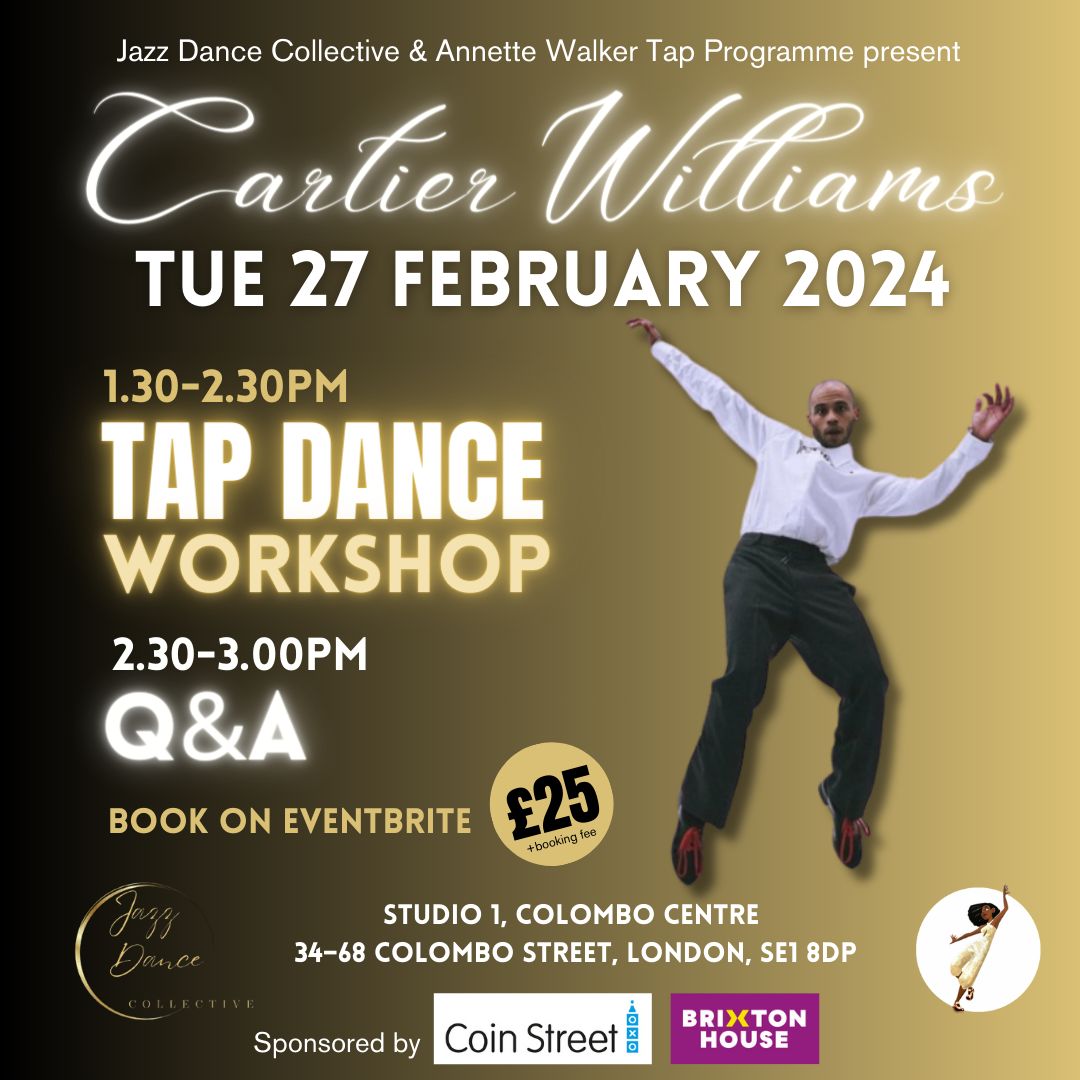
Whether you’re a hoofer or musical theatre tap dancer you’ll not want to miss this fantastic opportunity to attend a workshop in London with American hoofer, choreographer, filmmaker and actor, Cartier Williams!
Date: Tuesday 27 February 2024
Time: 1.30pm – 3.00pm
Price: £25 plus booking fee (limited places)
Venue: Colombo Centre, 34–68 Colombo Street, London, SE1 8DP
Brought to you by Jazz Dance Collective and Annette Walker Tap Dance Programme
Read more ›
Tagged with: 2024, jazz dance collective, masterclass, tap dance, workshop
Posted in Education & Teaching, Events, Other Workshops, Tap dance, Upcoming
Posted in Education & Teaching, Events, Other Workshops, Tap dance, Upcoming
Jazz Dance Collective: Launch Event
The Jazz Dance Collective is an educational hub for Tap Dance, Authentic Jazz, and UK Jazz. The Collective brings together the knowledge of Jazz, encompassing both its history and practice. These three disciplines of Jazz dance link its foundation and evolution, providing a coherent line to educate the future generation. Members of the Collective join together in projects, sharing space and discussion.
Read more ›
Tagged with: 2024, authentic jazz dance, dance, education, event, jazz, JDC, tap dance, uk jazz dance
Posted in All News & Announcements, Dance Classes, Education & Teaching, Events, Other Workshops, Past, Projects, Tap dance
Posted in All News & Announcements, Dance Classes, Education & Teaching, Events, Other Workshops, Past, Projects, Tap dance
Buddy Bradley: PhD Research with LAHP funding
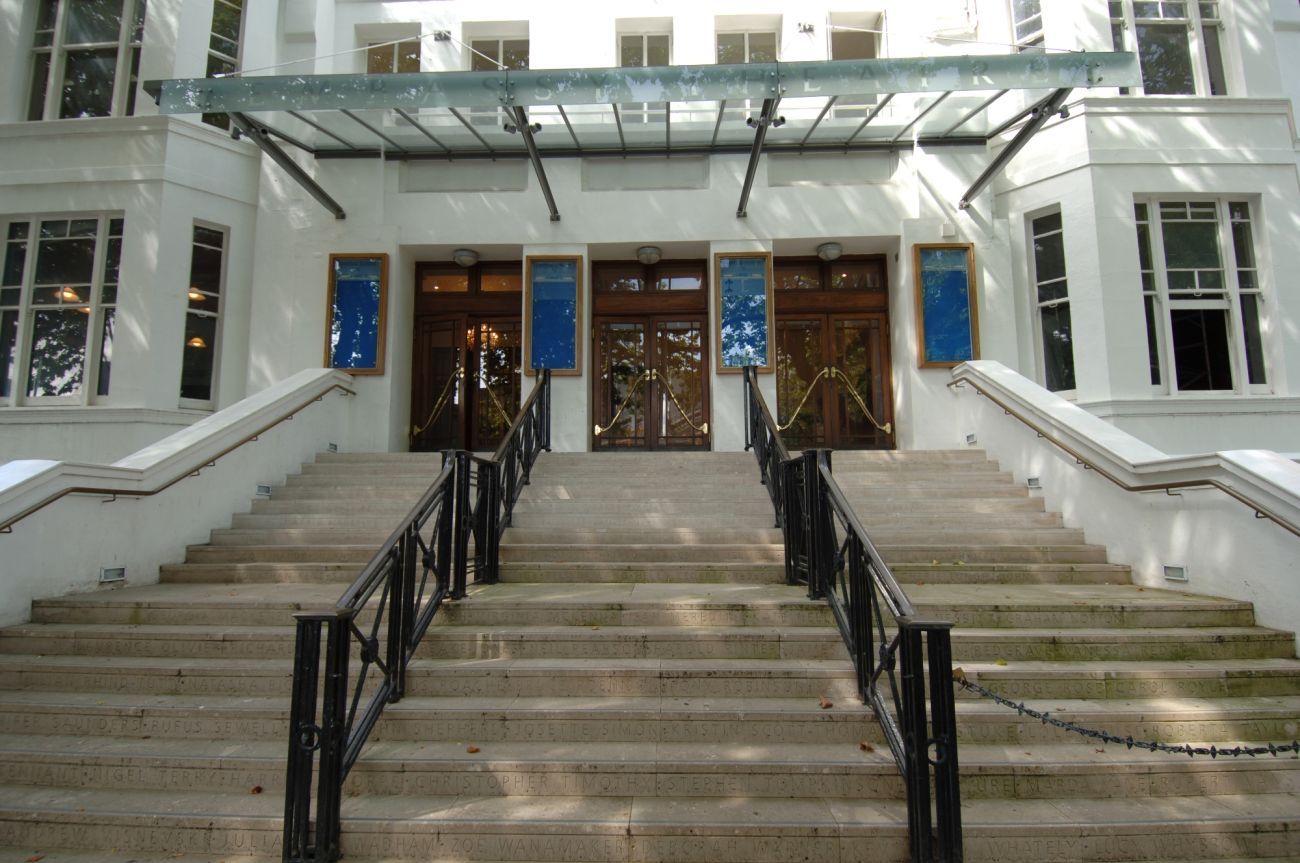
(Posting this a few months late!) I’m thrilled to announce that I’ve been awarded an Arts and Humanities Research Council (AHRC) funded Research Studentship by London Arts & Humanities Partnership (LAHP) for PhD research at the Royal Central School of Speech and Drama from October 2023. It’s for a project on Buddy Bradley.
AHRC-funded studentships are highly competitive awards and I’m super proud for making it through the intensive LAHP application process. I’m so grateful to have the support of supervisors, family, friends and generous acquaintances on what has so far been a very challenging journey.
I’m looking forward to a fresh start as a full time research student at Central which is where Judi Dench, Laurence Olivier, French & Saunders and Graham Norton attended amongst a long list of performers. Watch this space for news on my Buddy Bradley research.
Read more ›
Tagged with: 2023, 2024, funding, news, phd research
Posted in All News & Announcements, Awarded Funding & Scholarships, Events, Past, Phd: Buddy Bradley, Projects, Research & Publications, Research projects
Posted in All News & Announcements, Awarded Funding & Scholarships, Events, Past, Phd: Buddy Bradley, Projects, Research & Publications, Research projects
Guildhall Improvisers’ Workshop: The Music of Geri Allen featuring Annette Walker
Tue 5 Dec 2023
7pm
Silk Street Music Hall, Guildhall School of Music and Drama,
Silk Street, London, EC2Y 8DT
Guildhall Improvisers’ Workshop, directed by saxophonist and composer Trish Clowes, present a programme of Geri Allen compositions and newly devised music inspired by her distinctive versatility, exploratory musicality and educational legacy.
Read more ›
Tagged with: 2023, gig, improvisation, jazz, tap dance
Posted in All News & Announcements, Events, Past, Tap dance
Posted in All News & Announcements, Events, Past, Tap dance
Contextualising Buddy Bradley’s work in British Film
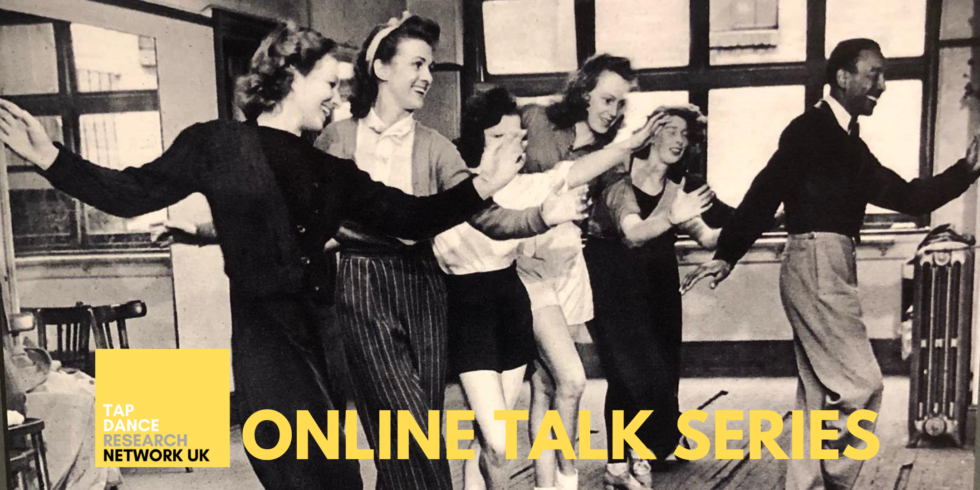
Other presentations and talks on Buddy Bradley and past events (2021-2022)
TDRN UK ONLINE TALK SERIES
Tuesday 29 August 2023
7pm – 8.30pm BST
Presentation and discussion on Zoom hosted by TDRN UK
By Annette Walker
In this visually engaging, online presentation, Annette Walker revisits and expands upon her original research on Buddy’s work and influence in musical theatre, film and television. She discusses the challenges of navigating racial tropes and stereotypes, shares the joy of meeting two of Buddy’s dance students (best friends now in their nineties), and reveals the journey from her first, 2021 presentation to a fully-funded, AHRC research studentship at the Royal Central School of Speech and Drama (2023-2027). The PhD project is titled, “Reclaiming Buddy Bradley: Black jazz dance and British musical theatre history”
Online recording available (below)
Read more ›
Tagged with: 2023, buddy bradley, online, TDRN UK
Posted in All News & Announcements, Education & Teaching, Events, Past, Phd: Buddy Bradley, Presentations, Projects, Research & Publications
Posted in All News & Announcements, Education & Teaching, Events, Past, Phd: Buddy Bradley, Presentations, Projects, Research & Publications
Buddy Bradley: Unsung Hero of the British Musical Stage

Published version available from Black Ink, Issue 4, 20 September 2023
By Annette Walker, August 2023 (unedited)
In 2020, Buddy Bradley’s name appeared several times during my research on tap dance history in the UK and I was intrigued about how this American became the first Black choreographer of British musical film in the 1930s. How is it that hardly any dancers (including myself) had heard of him? The more I learned about Buddy, the more widespread I found his influence to be and by summer 2021, I was writing a research project proposal in order to recover the missing story of his contribution to British dance practice.
Tagged with: 2023, articles, buddy bradley
Posted in All News & Announcements, Articles, Research & Publications
Posted in All News & Announcements, Articles, Research & Publications
Brecon Jazz Festival 2023
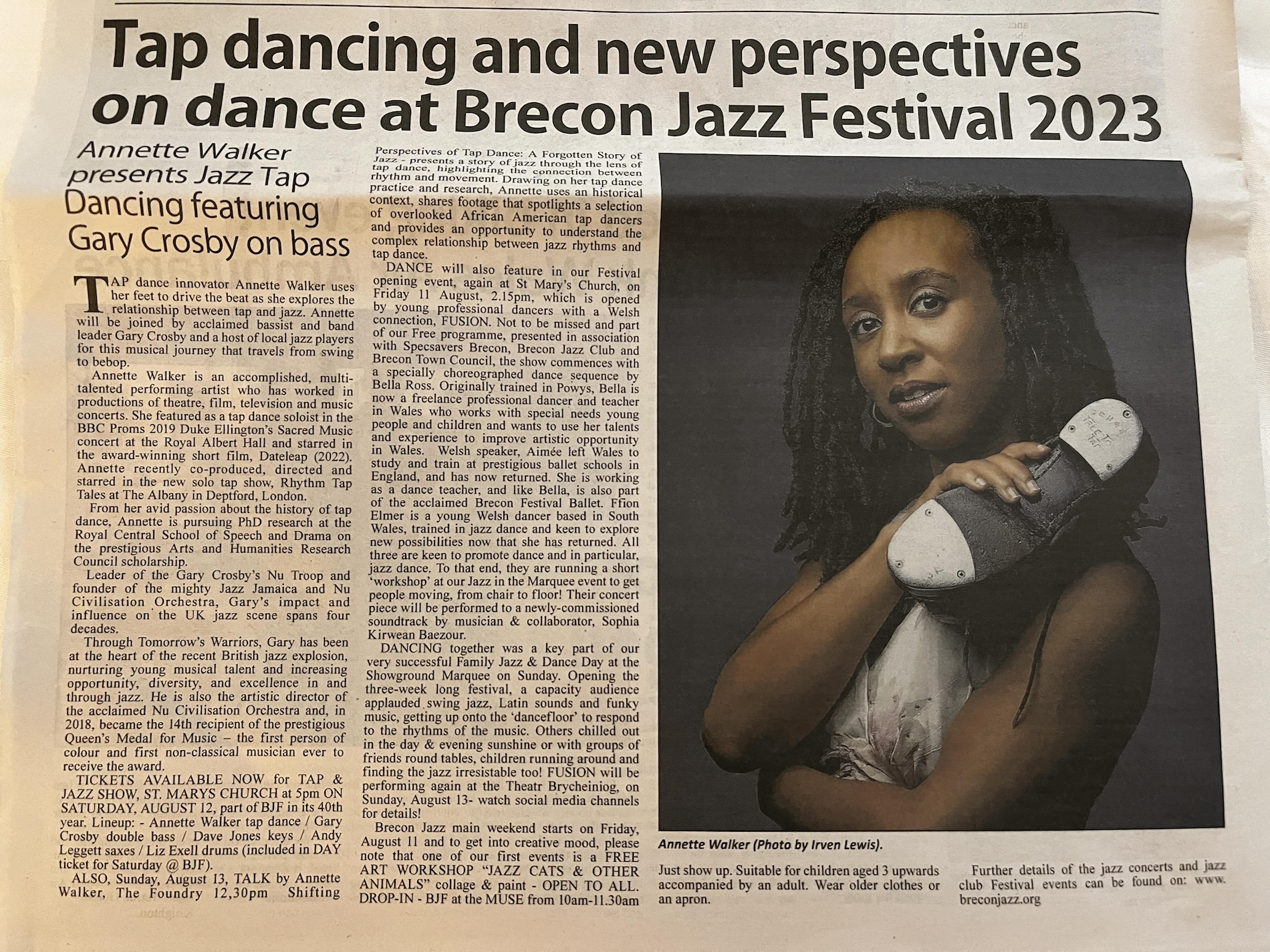
Annette Walker presents Jazz Tap Dancing featuring Gary Crosby on bass
Saturday 12 August 2023
5-6pm
St Mary’s Church in Brecon, Powys, Wales
Jazz tap dance & bass
Annette Walker (tap dancer, BBC Proms 2019) and the multi award-winning jazz bassist, Gary Crosby (Tomorrow’s Warriors) bring their eclectic blend of rhythms and jazz.
Tagged with: 2023, festival, gary crosby, jazz, tap dance, wales
Posted in All News & Announcements, Education & Teaching, Events, Past, Tap dance
Posted in All News & Announcements, Education & Teaching, Events, Past, Tap dance
DateLeap (2021)
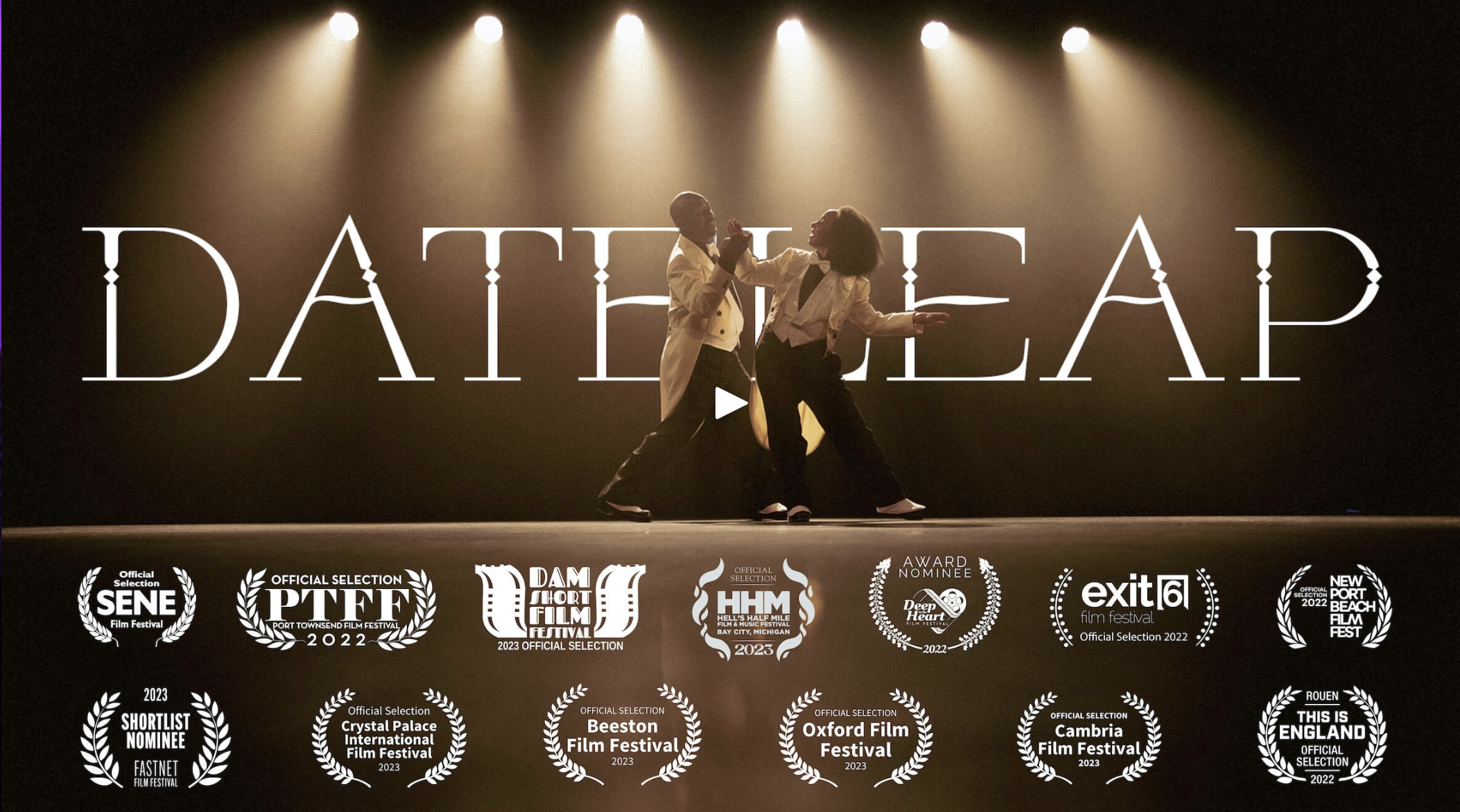
14 minutes
Starring Lee Payne, Annette Walker and Yvonne Campbell
Written, directed and choreographed by Jack Evans, DATELEAP has played at 13 film festivals around the world to bring tap dance to new audiences in cinemas. It’s now available to watch online FREE (best viewed on a big screen).
Read more ›
Tagged with: 2021, 2023, film, tap dance
Posted in All News & Announcements, Events, Past, Tap dance, Theatre, Film & TV
Posted in All News & Announcements, Events, Past, Tap dance, Theatre, Film & TV
Changing Times Tap Dance Initiative (2022-2023)
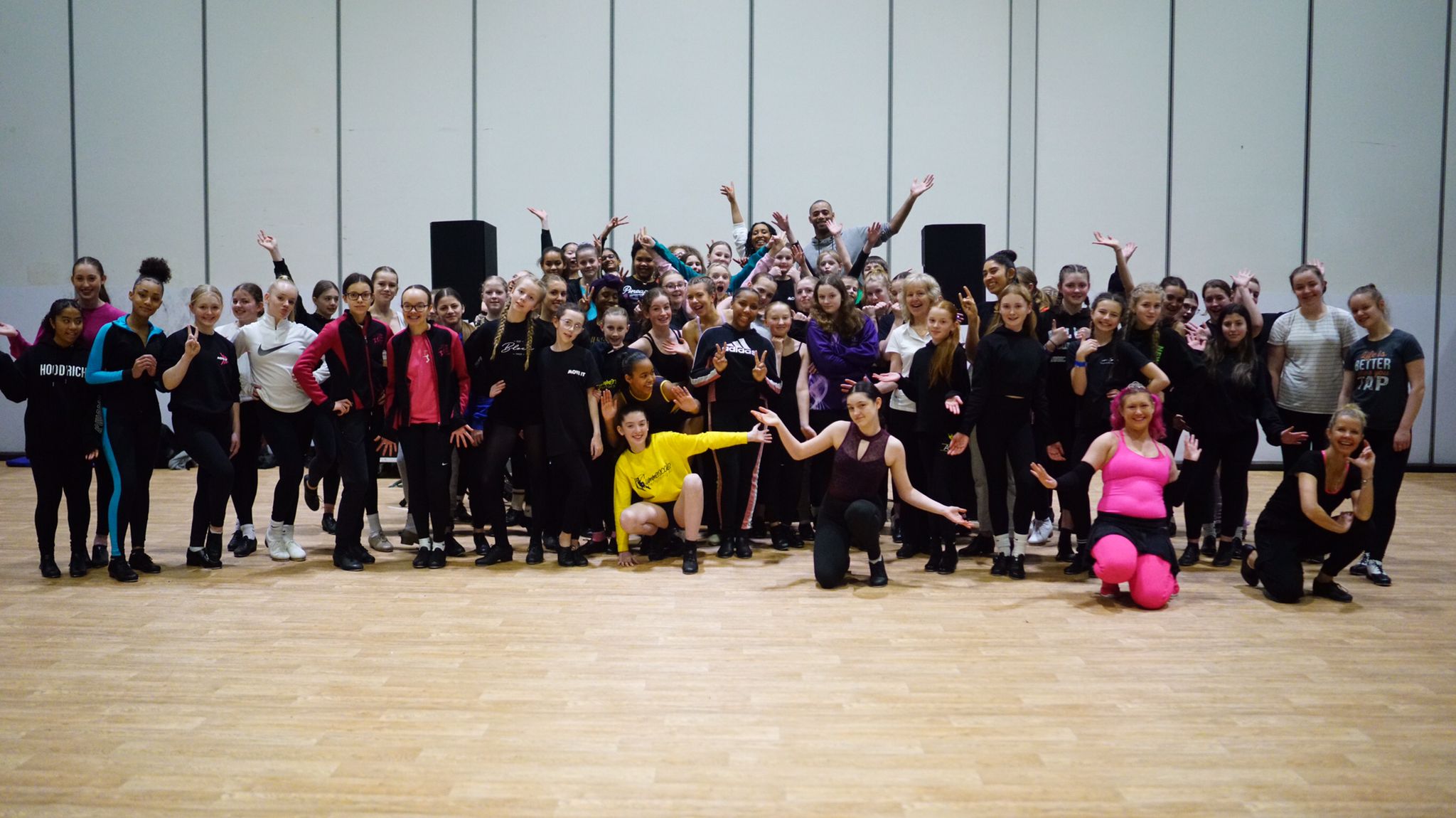
The Annette Walker Tap Programme has been able to deliver tap workshops and apprenticeships to its young adult Tap Ambassadors and students with the support of the Changing Times Tap Initiative grant (2022-2023). Read the highlights below or the full report (on Google Docs).
Read more ›
Tagged with: 2022, 2023, class, tap class, tap dance, USA
Posted in All News & Announcements, Awarded Funding & Scholarships, Education & Teaching, Projects, Tap dance
Posted in All News & Announcements, Awarded Funding & Scholarships, Education & Teaching, Projects, Tap dance


